How to Crochet a Granny Square: 50 Free Easy Patterns
A classic granny square feels soft and balanced in the hand, with those neat, repetitive clusters forming a familiar geometry that never goes out of style. Whether you are assembling a cozy blanket for a chilly evening on the sofa or crafting a singular motif for a custom bag, these squares offer a quiet way to occupy your fingers. Beginners often find this motif to be the most friendly entry point into the craft, while experienced makers treat it as a flexible canvas for experimenting with color shifts and textures. You will learn the fundamental chain and double crochet techniques that make this motif possible.
Why You’ll Love This Pattern
The Classic Crochet Cotton Dishcloth provides a rhythmic, meditative experience for your hands while creating a highly functional tool for your kitchen. This pattern relies on a simple, repeating texture that scrubs surfaces effectively without scratching delicate finishes. Because it uses a durable cotton yarn, the finished item withstands hundreds of wash cycles. You can complete this project in a single evening, making it a reliable choice for quick housewarming gifts or replenishing your own supply of sustainable cleaning supplies.
I managed to whip up a stack of these in one weekend, and the texture is perfect for scrubbing dried-on food. My kitchen looks so much cleaner now that I have stopped using those flimsy store-bought sponges.
— Sarah, home cook
Pattern Overview & Skill Level
- Skill Level: Beginner
- Approximate Time: 1 to 2 hours
- Construction: Worked in flat rows back and forth, starting with a foundation chain.
- Finished Dimensions: 8 inches by 8 inches.
Materials & Supplies Needed
- Yarn: Worsted weight (#4) 100% cotton yarn, approximately 75 yards per dishcloth.
- Hook Size: 5.0 mm (US H-8).
- Notions: Tapestry needle for weaving in ends, scissors.
- Safe Yarn Substitutions: Linen or hemp blends offer superior scrubbing power but feel stiffer; avoid acrylic yarn as it does not absorb moisture and will melt if it touches hot pans.
Stitch Guide & Abbreviations (US Terms)
- ch: chain
- st/sts: stitch/stitches
- sc: single crochet
- dc: double crochet
- yo: yarn over
- Moss Stitch: A combination of single crochet and chain stitches where the single crochet is worked into the chain-1 space of the previous row.
Step-by-Step Pattern Instructions
Main Dishcloth
The pattern is worked using the moss stitch, which creates a tight, dense fabric perfect for scrubbing.
- Foundation: Ch 32.
- Row 1: Sc in 4th ch from hook, *ch 1, skip 1 ch, sc in next ch; repeat from * across. Turn. (16 sc, 15 ch-1 spaces).
- Row 2: Ch 2, sc in first ch-1 space, *ch 1, skip 1 sc, sc in next ch-1 space; repeat from * across, ending with sc in the turning chain space. Turn. (16 sc, 15 ch-1 spaces).
- Rows 3–40: Repeat Row 2 until the piece measures 8 inches long.
- Finishing: Fasten off, leaving a 6-inch tail. Weave the tail through the stitches to secure it.
Border (Optional)
Adding a simple border prevents the edges from curling over time.
- Round 1: Join yarn at any corner. Ch 1, work 2 sc in each corner and 1 sc evenly along each side until you return to the start. Sl st to the first sc to join. Fasten off and weave in ends.
Care & Washing Instructions
- Machine wash your cotton dishcloths in warm water on a standard cycle.
- Tumble dry on low heat or lay flat on a drying rack to prevent long-term shrinkage.
- Reshape the cloth while damp after washing to maintain the original 8-inch square dimensions.
Pro Tips & Common Mistakes to Avoid
Maintain consistent tension by ensuring your yarn is neither pulled tight nor left too loose, as uneven tension will cause the square to warp into a trapezoid. Use a stitch marker on the first stitch of every row to ensure you do not skip the last stitch, which is a common error that leads to a slanted edge. Weave your ends in by alternating directions twice through the fabric; this prevents the ends from popping out when the cloth is scrubbed against heavy-duty surfaces. If you want a larger or smaller cloth, simply increase or decrease your starting chain by an even number to adjust the final width accordingly.
Frequently Asked Questions
Can I use a different yarn weight for this pattern?
Yes, you can use a lighter or heavier weight yarn, but you will need to adjust the number of starting chains to reach your desired width and add more rows to achieve the correct height.
Is this pattern suitable for someone who has never crocheted before?
This is an excellent beginner project because it requires only basic stitches and focuses on building muscle memory for tension control.
How do I prevent the edges from looking wavy?
Ensure that you are consistently placing your final single crochet in the turning space of the row below; skipping this stitch is the most common cause of uneven edges.
Can I sell the dishcloths I make from this pattern?
You are welcome to sell finished items made from this pattern; however, you must credit the designer and use your own photographs to represent your specific work.
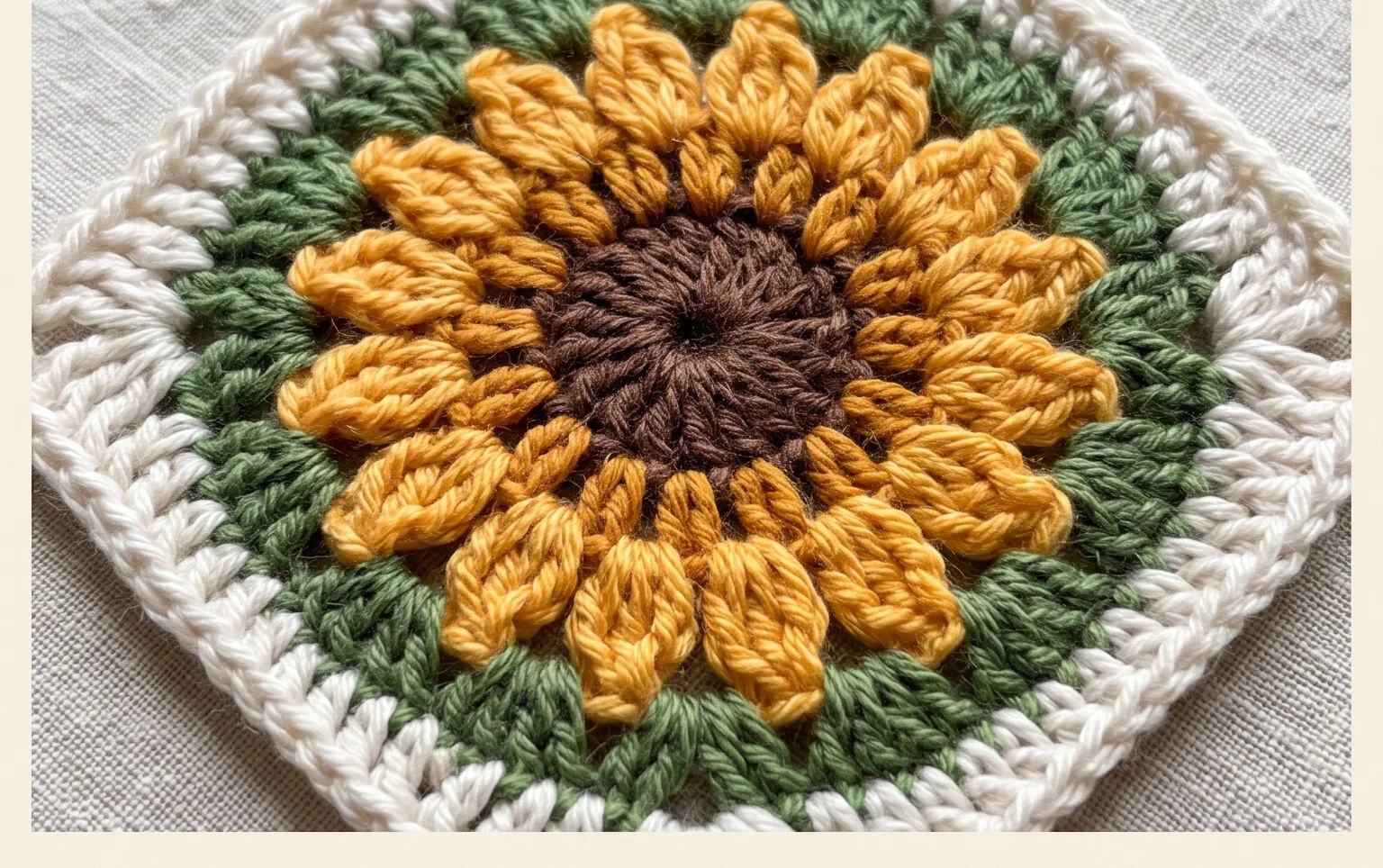
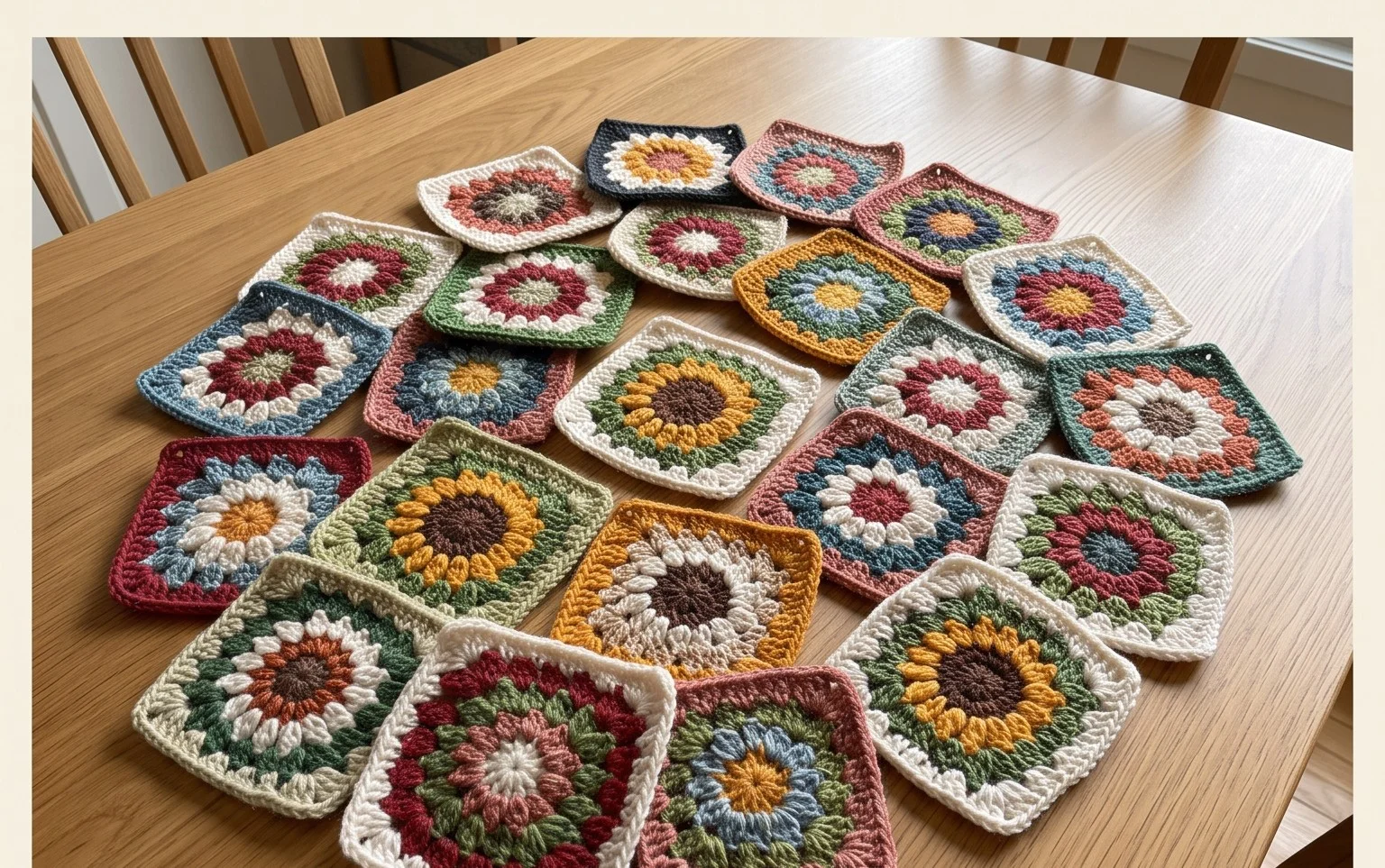
Seeing your stack of finished granny squares pile up is a satisfying reward for the time spent counting stitches and managing yarn tails. You might consider using a variegated cotton yarn for your next batch to see how the shifting colors interact with the standard three-stitch clusters, or simply adjust the total count to turn a small motif into a larger lap throw. Post a snapshot of your work on your favorite social media page to see what others are creating this month. Check back through the rest of the site for more free project guides and inspiration for your next session.