Easy Circle Crochet Holiday Garland: Free Pattern
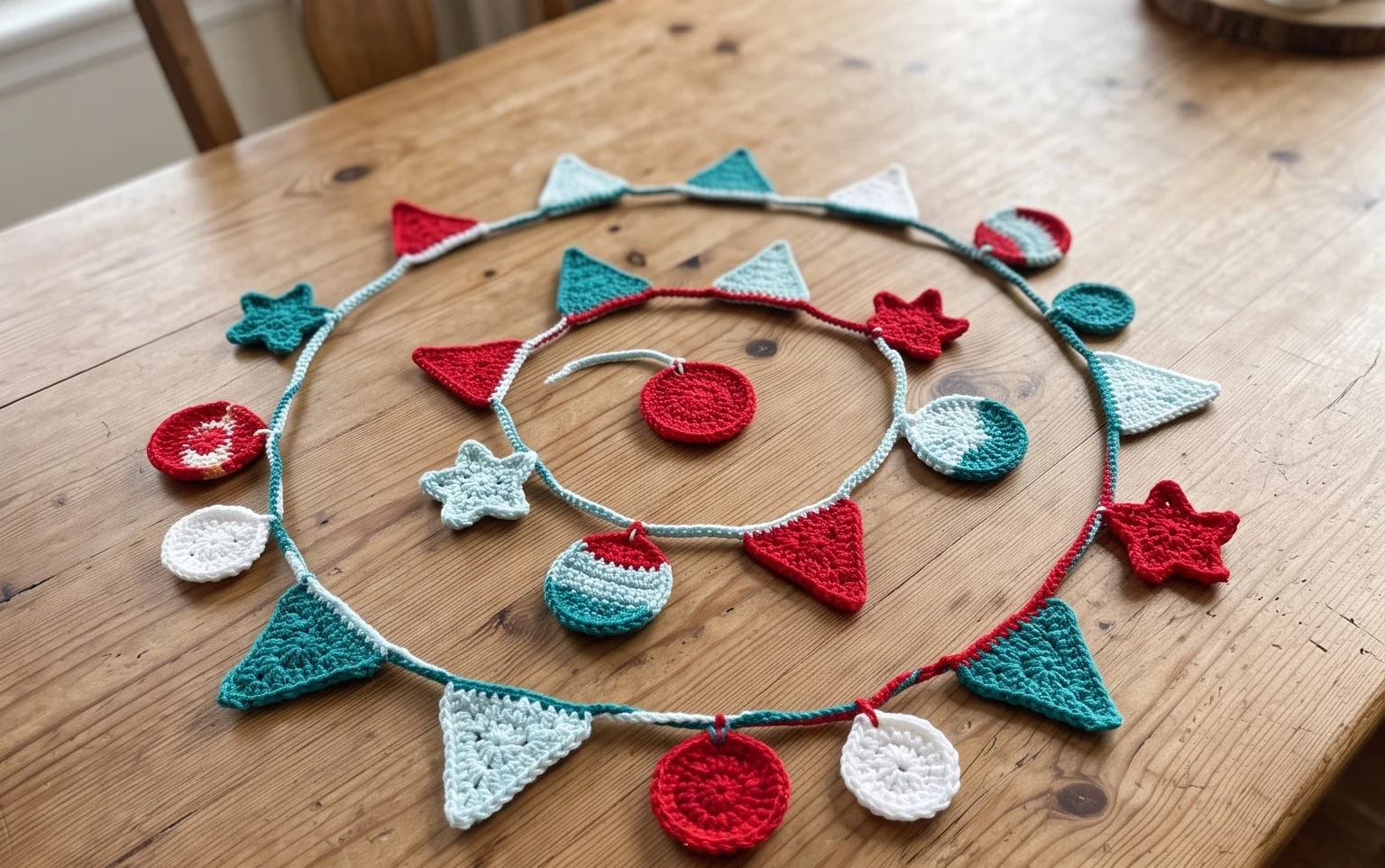
Small crocheted spheres strung together create a soft and nostalgic addition to your festive home decor. These circles work up quickly using simple foundation stitches, making them a approachable task for anyone building their yarn skills. You get to practice consistent circular growth while creating a weightless, charming accent for your mantle or fireplace. The finished project has a gentle, matte texture that feels much more intentional than plastic alternatives. We cover the specific joining technique needed to turn these individual rounds into a continuous, sturdy strand that hangs neatly throughout the winter season without tangling or losing shape.
Why This Project Is Worth Making
The Classic Crochet Dishcloth provides a satisfying, tactile experience that works up quickly using basic stitches. This pattern is ideal for mastering tension because it uses a repetitive grid that highlights even stitches. Since it requires very little yarn, it serves as a practical way to use up leftover cotton from larger projects. Its texture provides just enough scrub for household tasks while remaining soft enough for daily kitchen use.
I managed to whip up three of these in a single evening while watching a movie. They are durable, wash well, and hold their shape much better than the store-bought sponges I usually buy.
— Sarah, home crafter
Pattern Overview & Skill Level
- Skill Level: Beginner
- Approximate Time: 45 to 60 minutes
- Construction: Worked in flat rows using the thermal stitch concept to create a dense, square fabric
- Finished Dimensions & Sizing: 8 inches by 8 inches
Materials & Supplies Needed
- Yarn: Worsted weight (#4) 100% cotton yarn, approximately 75 yards per dishcloth. Cotton is necessary for its absorbency and heat resistance.
- Hook Size: 5.0 mm (H-8).
- Notions: Tapestry needle for weaving ends, scissors.
- Yarn Substitutions: You may use a cotton-acrylic blend, though the dishcloth will be less absorbent. Using a thinner yarn like DK weight will result in a smaller cloth, while a bulky weight yarn will make the cloth significantly thicker and potentially too heavy for standard kitchen use.
Stitch Guide & Abbreviations (US Terms)
- ch: chain
- st/sts: stitch/stitches
- sc: single crochet
- hdc: half double crochet
- sl st: slip stitch
- turn: turn your work to begin the next row
- BLO: back loop only; insert your hook only under the back loop of the designated stitch
Step-by-Step Pattern Instructions
Main Cloth Body
This dishcloth is worked from the bottom up in flat rows. You will turn at the end of every row.
- Row 1: Ch 31. Sc in the second ch from the hook and each ch across. (30 sts)
- Row 2: Ch 1, turn. Sc in the BLO of each st across. (30 sts)
- Row 3: Ch 1, turn. Sc in the BLO of each st across. (30 sts)
- Rows 4 through 30: Repeat Row 3 until the piece measures approximately 8 inches from the starting edge. (30 sts)
Border and Finishing
- Edging: Do not fasten off after Row 30. Ch 1 and rotate the piece 90 degrees to work along the side edge. Sc evenly along the side, working one sc into the end of each row.
- Corner: Work 3 sc into the corner st to turn the work smoothly.
- Remaining sides: Continue sc evenly around the entire perimeter of the square, working 3 sc into each corner to prevent curling.
- Joining: Join with a sl st to the first sc of the round. Fasten off, leaving a 6-inch tail. Weave the tail through the back of the work to secure it.
Care & Washing Instructions
- Machine wash in warm water on a gentle cycle to preserve the fiber integrity.
- Lay the dishcloth flat on a towel to air dry, as high heat in a dryer can cause significant shrinkage.
- If the cloth becomes misshapen after washing, pull it gently into a square while damp to block it to its original size.
Pro Tips & Common Mistakes to Avoid
Maintain consistent tension by ensuring your yarn flow remains steady, as cotton yarn has no elasticity and shows uneven stitches clearly. Use a stitch marker at the start of your rows if you find yourself accidentally dropping or adding stitches at the turns, which is the most common reason for a non-square finished item. Weave your ends in by threading the tail through the base of the stitches on the back side of the fabric; work the tail in one direction for an inch, then loop it back in the opposite direction to lock it in place. If you wish to adjust the size, add or subtract stitches in multiples of two to your starting chain, but note that this will change the total yardage required.
Frequently Asked Questions
Can I use acrylic yarn for this dishcloth?
It is not recommended because acrylic yarn is hydrophobic and will not absorb water effectively, making it useless for cleaning tasks. Stick to 100% cotton or cotton-linen blends.
How do I make the dishcloth larger?
Simply increase your starting chain to your desired width and add extra rows until you reach your preferred length. Ensure you start with an even number of chains.
Is this pattern suitable for someone who has never crocheted before?
Yes, this is an ideal starter project because it only uses the single crochet stitch and teaches you how to maintain straight edges and count stitches consistently.
May I sell the dishcloths I make from this pattern?
You are welcome to sell physical items made from this pattern, provided you credit the design. Do not distribute the written pattern itself or use these specific photos for your listings.
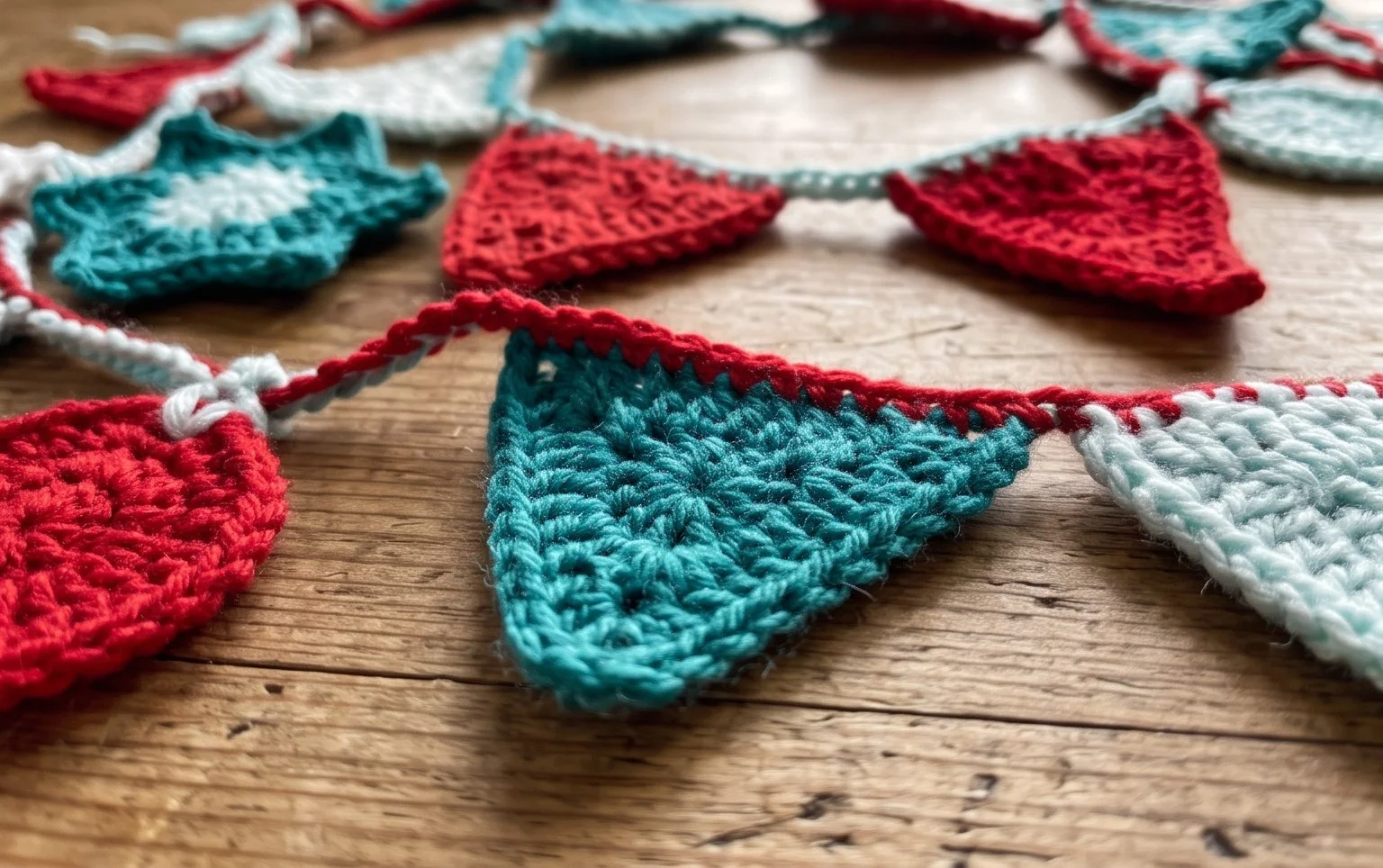
Your finished set of rounds brings a cozy handmade touch to any wall or tree branch. You can experiment with velvet yarn for a plush, sophisticated look or use leftover metallic thread to add a subtle shimmer to each piece. Sharing your work helps others find inspiration for their own holiday projects, so consider posting a photo of your garland on your favorite social media platform. You can find more free patterns for simple home goods and seasonal decorations by browsing through the archives on this blog.