Easy Crochet Lamb Amigurumi: Free Beginner Pattern
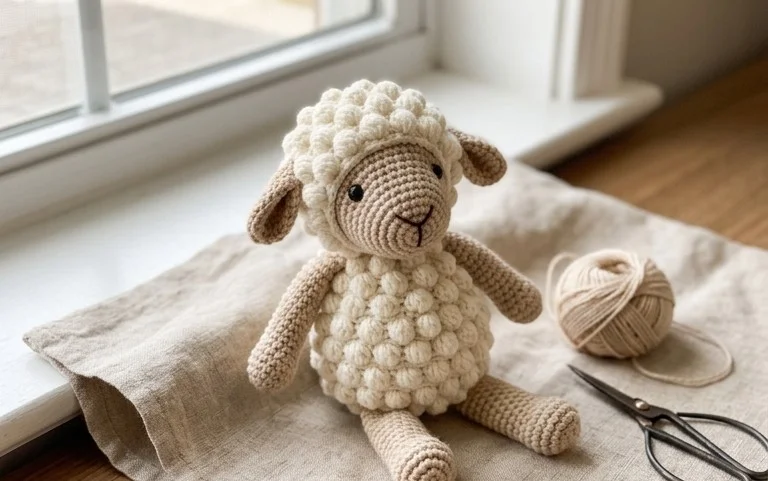
A small, plush lamb made with soft wool feels incredibly comforting in your hands, making it a favorite toy for children or a gentle piece of nursery decor. The rounded body and textured surface provide a tactile experience that makes working on this project feel soothing rather than like a chore. Whether you want to assemble a handmade baby shower gift or just expand your collection of stuffed animals, this project offers a manageable challenge. You will build your skills by using the single crochet stitch in continuous rounds, focusing on maintaining even tension to ensure your finished friend holds its shape perfectly.
Why You’ll Love This Pattern
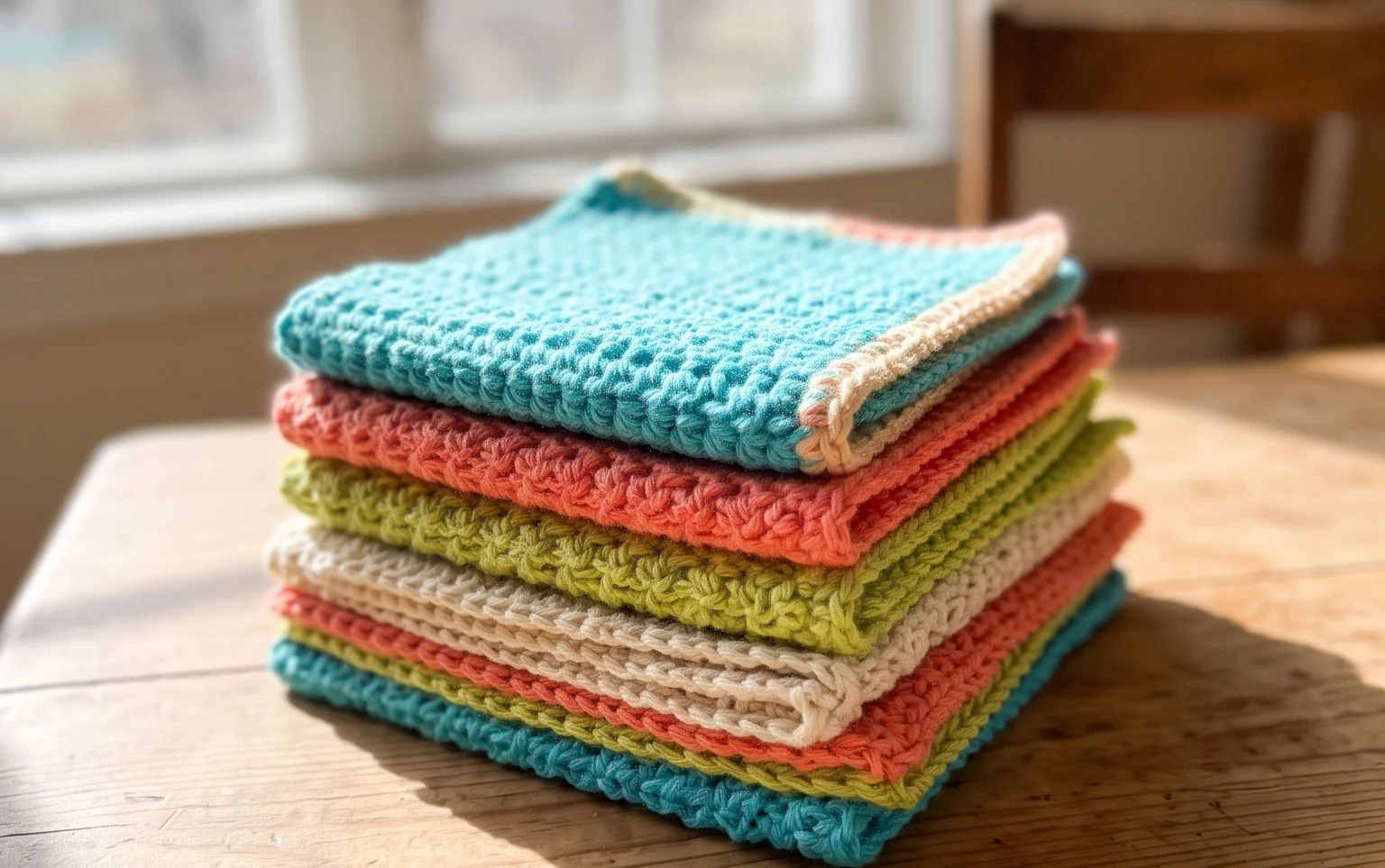
This beginner-friendly crochet coaster pattern provides a practical way to protect your furniture while practicing fundamental stitch techniques. The design works up in less than 30 minutes, making it an ideal choice for using up small amounts of leftover cotton yarn from larger projects. Its thick, absorbent texture is achieved through the use of the half-double crochet stitch, which creates a dense fabric that lays perfectly flat on any surface. Because the pattern relies on simple increases in the round, it is easy to memorize for quick gift-making sessions.
I managed to finish a set of four coasters in one afternoon using some scrap yarn I had lying around. The instructions were easy to follow and they look great on my coffee table.
— Sarah, hobbyist crocheter
Pattern Overview & Skill Level
- Skill Level: Beginner
- Approximate Time: 20-30 minutes per coaster
- Construction: Worked in continuous rounds, starting with a magic ring and expanding with regular increases to create a flat circle
- Finished Dimensions: 4 inches (10 cm) in diameter
Materials & Supplies Needed
- Yarn: Worsted weight (#4) 100% cotton yarn, approximately 15-20 yards per coaster. Cotton is preferred for its heat resistance and absorbency.
- Hook Size: 5.0 mm (H-8) crochet hook.
- Notions: Tapestry needle for weaving in ends, a locking stitch marker to keep track of the start of rounds.
- Safe yarn substitutions: Acrylic yarn may be used for decorative coasters, but note that it is not heat-resistant and may melt if used with hot mugs. Wool yarn can be substituted for a softer feel, though it may require hand washing.
Stitch Guide & Abbreviations (US Terms)
- MR: Magic Ring
- ch: Chain
- hdc: Half-double crochet
- inc: Increase (work 2 hdc in the same stitch)
- st(s): Stitch(es)
- sl st: Slip stitch to join
- FO: Fasten off
Step-by-Step Pattern Instructions
Coaster Body
The coaster is worked in continuous rounds. Place a stitch marker in the first stitch of each round to keep track of your position.
- Rnd 1: Start with a MR. Work 10 hdc into the ring. Tighten the ring securely. (10 sts)
- Rnd 2: Work 2 hdc in every st around. (20 sts)
- Rnd 3: 1 hdc in next st, 2 hdc in next st repeat from * to * 10 times. (30 sts)
- Rnd 4: 1 hdc in each of next 2 sts, 2 hdc in next st repeat from * to * 10 times. (40 sts)
- Rnd 5: 1 hdc in each of next 3 sts, 2 hdc in next st repeat from * to * 10 times. (50 sts)
Finishing
Once you reach the end of Rnd 5, work 1 sl st into the next stitch to create a smooth transition. Cut the yarn, leaving a 6-inch tail. Pull the tail through the final loop. Use your tapestry needle to weave the end through the back loops of the final round to secure it, then trim any excess yarn.
Care & Washing Instructions
- Machine wash in cold water on a gentle cycle using a mild detergent.
- Lay the coaster flat on a towel to air dry to prevent stretching or misshaping.
- If the coaster curls after washing, lightly dampen it and block it flat with pins until completely dry.
Pro Tips & Common Mistakes to Avoid
- Maintain consistent tension throughout the rounds; if your stitches are too loose, the coaster will ripple rather than lay flat.
- Always move your stitch marker up to the first stitch of the new round immediately after completing it to avoid losing your place.
- When weaving in ends, run the needle through the stitches on the back side in two different directions to ensure the tail does not pull out during use.
- You can adjust the size by adding or omitting final increase rounds, but keep in mind that larger coasters will require more yardage and may require a larger hook to maintain proper tension.
Frequently Asked Questions
Can I use a different yarn weight for this project?
Yes, you can use DK or bulky weight yarn, but you will need to adjust your hook size accordingly. Using a different weight will change the final diameter of the coaster significantly.
Is this pattern suitable for complete beginners?
Yes, this is an excellent starter project because it focuses on the hdc stitch and basic circular growth without complex counting or assembly.
Can I sell the finished coasters I make from this pattern?
You are welcome to sell physical items made from this pattern, but please credit the design to the original creator in your listing.
Why does my coaster look wavy or bowl-shaped?
If the piece is wavy, your tension is likely too loose or you are adding too many increases. If it is bowl-shaped, you may need to increase more frequently to keep the edge flat.
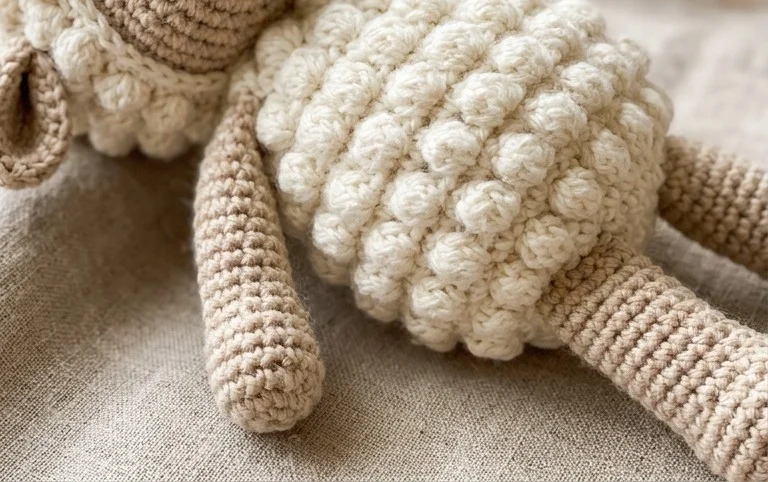
Your new yarn companion will look wonderful sitting on a bookshelf or tucked into a gift basket for a loved one. Try using chunky chenille yarn if you want an extra large, squishy version that works up faster than standard cotton. Posting a picture of your finished project on social media helps other makers find inspiration for their own handmade collections. Please check out the rest of the blog for more free patterns to keep your hands busy with your next creative project.